Apple’s ‘highest-ever’ use of
苹果公司宣布了其历史上最高水平的回收材料使用,其中包括逐步淘汰塑料。这一举措是苹果公司持续努力减少环境影响的一部分,旨在通过使用更多的再生材料来减少对原始资源的依赖。苹果公司表示,这一变化将有助于减少塑料废物,并鼓励其他公司采取类似的环保措施。此外,苹果还强调了其在包装设计上的创新,以减少材料使用和提高回收率。
OK
Apple’s ‘highest-ever’ use of recycled materials includes plastics phase-out
21 April 2026
-
Save article Please to your account to use this feature close
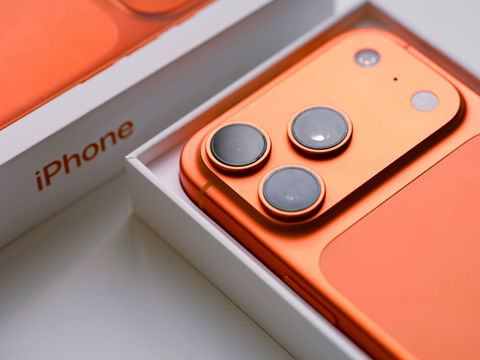
Apple reports that 30% of all material across its shipped products came from recycled content in 2025, and claims to have successfully removed all plastics from its packaging in favour of fibre-based alternatives.
Reportedly, Apple achieved its target to remove plastics from its packaging by the end of 2025. Over the past five years, the company claims to have avoided using more than 15,000 metric tons of plastic – equating this figure to approximately 500 million plastic water bottles.
Since 2016, Apple’s engineers and designers have developed alternatives to common packaging components, such as recycled or responsibly sourced paper alternatives to plastic trays and screen protectors. Now, the company claims to ship all new products in 100% fibre-based packaging.
Its efforts have included introducing moulded fibre trays for its iPhone 7, iPad and MacBook products between 2016 and 2018; implementing a paper screen film for the iPhone 12 in 2020; replacing polystyrene foam with corrugated spring cushions for its iMac product and removing the outer plastic wrap from its iPhone 13 boxes in 2021; and deploying fibre-based locking closures and biobased adhesives last year.
Apple emphasizes that any paper-based components are recyclable and sourced from responsibly managed forests or recycled materials. The fibre-based transition extends to Apple’s second- and third-party vendors, with companies removing plastic components and delivering products in fibre-based packaging across retail categories.
“Over the past decade, governing bodies around the world have regulated single-use plastics, including those used in packaging,” the company writes in its [Environmental Progress Report](https://www.apple.com/environment/p
相关情报
国家邮政局:推进邮政领域禁限塑政策落实——对十四届全国人大四次会议第1275号建议的答复
国家邮政局经商市场监管总局,正式答复全国人大代表关于推进邮政领域禁限塑政策落实的建议。文件披露:十四五期间全行业塑料包装袋厚度减量50%、塑料胶带减量25%;2022年底北京、上海、江苏、浙江、福建、广东及海南率先实现禁塑目标;2025年将快递禁限塑纳入《快递暂行条例》;中国邮政在8省42地市投放生物降解竹快递袋;邮政、京东、顺丰、韵达在20余城市试点快递循环包装;快递包装绿色产品认证已颁发291张证书;全行业包装标准化率达86%。下一步将制定以竹代塑指导意见、扩大禁塑产品范围(含发泡保温箱、气泡袋等)、强化执法稽查和溯源认证体系。
塑料循环经济中,化工可以做什么?
本文以南京盛庆和化工的行业视角,系统阐述化工行业在塑料循环经济中的角色与路径。文章指出中国塑料消费量占全球15%,但2020年废塑料回收率仅23.09%,循环利用任重道远。核心讨论了机械回收与化学回收两种技术的优劣:机械回收成本高、分拣难、产品降级利用;化学回收可将废塑料拆分为单体实现闭环,但技术尚不成熟、经济性待验证。文章以赢创(Evonik)为例,展示了化工助剂(表面活性剂、消泡剂、润湿剂、VESTOPLAST®相容剂等)在提升机械回收效率与再生料性能方面的关键作用,以及甲醇醇解化学回收PET的研发进展。结论强调:发展塑料循环经济需要技术突破、产业链全生命周期合作、政策引导与消费者意识提高的四方协同。
塑料化学回收连获重大突破,国内产业化在即,全新万亿级风口正在到来!_裂解_技术_循环
塑料化学回收技术在中国取得了重大突破,特别是在生物酶解聚PET再生工业化装置和混合废塑料深度催化裂解(CPDCC)技术方面。这些技术不仅能耗低、碳排放少,还能处理各种低价值的PET废弃物,实现了从废弃端到原料端的闭环循环。万凯新材与Carbios的合作项目标志着全球首套年产5万吨的生物酶解聚PET再生工业化装置的诞生,而惠城环保则通过其CPDCC技术,为废塑料的化学循环提供了新的解决方案。这些进展预示着塑料化学回收产业即将迎来一个全新的万亿级市场。